
Can't Work a 9 to 5 With ADHD? You're Not Broken (Here's Why)

TL;DR: If you've searched “can't work a 9 to 5 with ADHD”, you're not lazy. Many ADHD brains struggle with rigid schedules because motivation is interest-based, transitions are harder, and constant pressure can spike overwhelm. You do not need “more discipline.” You need a better fit and fewer friction points.
You're not broken, the system is just rigid
If you can't work a 9 to 5 with ADHD, you've probably heard some version of “just try harder” or “be more consistent.” That advice sounds simple, but it ignores a big truth.
ADHD is not a character flaw. It is a nervous system and executive function difference. A rigid schedule can feel like wearing shoes that are two sizes too small, then getting blamed for limping.
Real talk:If you only “work well” when you're panicking, it is not productivity. It is survival mode.
Why the 9 to 5 hits ADHD brains so hard
A traditional schedule asks for the same output at the same time every day, even when your brain's fuel level is not the same every day. A lot of ADHD struggle at work is not “I don't want to.” It is “I can't make my brain turn on when I'm forced to.”
1) ADHD motivation is often interest-based, not importance-based
You can care deeply about your job and still be unable to start tasks that feel boring, unclear, or repetitive. That gap is executive dysfunction, not a moral failure.
2) Transitions cost more energy than people realize
Getting up, getting ready, commuting, switching tasks, sitting in meetings, switching again, then commuting home is a lot of transitions. ADHD brains often pay a bigger tax on transitions, so by noon you can feel like you've already lived three days.
3) The pressure cooker effect
When a workplace relies on urgency, constant monitoring, or “look busy,” it quietly forces your nervous system into alert mode all day. That is why many people can hold it together at work, then crash hard at home.
If your work life is triggering panic, shutdown, or depression, consider talking with a clinician. Burnout, anxiety, trauma, sleep issues, and ADHD can stack together and make everything feel impossible.
Common signs you can't work a 9 to 5 with ADHD
Not everyone experiences this the same way. But if you're nodding at these, you're in the right place.
- You start strong, then burn out fast (especially after “new job” novelty wears off)
- You need last-minute pressure to move, then feel wrecked after
- You lose track of time, miss transitions, or get stuck after interruptions
- You dread mornings even when you like the job
- You feel “behind” all day, even when you are trying hard
- You can do the work, but the schedule drains you more than the work does
- You crash after work and have nothing left for life
If you relate to this, it does not mean you are incapable. It means you need work that matches your wiring and your energy.
What helps, even if you're stuck in a 9 to 5 right now
Maybe you can't quit today. Maybe you need stability. Maybe you're supporting a family. Cool. We can still reduce friction.
1) Make your morning “lighter,” not “better”
You do not need a perfect routine. You need fewer steps. Pick one thing to remove or simplify: outfit decisions, breakfast decisions, bag packing, or scrolling.
2) Use “soft starts”
Instead of “finish the whole task,” try: open the file, name it, write one sentence, or make the first tiny move. Your brain needs a start signal it can tolerate.
3) Build boundaries around attention leaks
- One-tab rule for boring tasks (close everything else)
- Notifications off during focus sprints
- Headphones or white noise if sound drains you
- Short “reset breaks” before you hit meltdown mode
If you need practical tools to help with focus and task management, check out our guide to the best ADHD apps for adults.
ADHD hacks that actually work tend to do one thing: they reduce decisions and reduce transitions.
What often works better than a traditional 9 to 5
The goal is not “never work.” It is work that respects how your brain operates.
Better-fit work usually includes:
- Flexible hours or a looser start time
- Project-based tasks instead of constant busywork
- Clear deliverables and fewer meetings
- Shorter sprints with recovery built in
- Autonomy to work your way
- Variety so your brain does not rot from boredom
Remote work can offer this flexibility, but only if you set it up right. Learn more in our guide: How to Work From Home With ADHD (Without Burning Out).
Important: Many ADHD people do best when the work has freedom and the day has structure they chose.
The challenge is that most work-from-home advice doesn't account for ADHD brains. If you want an ADHD-friendly place to explore flexible ways to earn online, that is why I built 925 ADHD. No hustle culture. No fake promises. Just real options you can browse when your energy says yes.
First steps if you're ready to change something
You do not have to redesign your whole life this week. You just need a next step.
- Name the real problem: Is it the schedule, the commute, the manager, the sensory load, or the work itself?
- Choose one friction point to reduce: mornings, meetings, interruptions, or deadlines.
- Build a “backup plan” list: 3 low-energy tasks you can do on bad brain days.
- Explore better-fit options: flexible, remote, or project-based work you can ramp into gradually.
You do not have to prove you can survive in a system that is hurting you. You get to build a life that fits.
FAQ
Can ADHD make it hard to work a 9 to 5?
Yes. Many ADHD brains struggle with rigid schedules because motivation is interest-based, transitions cost more energy, and constant pressure can trigger overwhelm and burnout.
If I can't work a 9 to 5 with ADHD, does that mean I'm lazy?
No. This is usually about executive function and regulation, not character. You can be trying hard and still be mismatched with the structure.
What if I need a steady paycheck?
That is real. You can reduce friction where you are while slowly building a better-fit plan. Small changes count, and gradual transitions are allowed.
What kinds of work tend to fit ADHD better?
Many people do better with flexibility, variety, autonomy, clear deliverables, and fewer meetings. The best fit depends on your energy, strengths, and sensory needs.
If this article made you feel seen...
That's exactly why 925 ADHD exists.
70+ vetted ways to earn online, tagged by energy level, effort, and payout speed. Built for brains like yours.
Small systems. Low friction. Built for real life.
30-Day Money-Back Guarantee
Not a job placement service. No income guarantees.
Free Guide
See 5 examples of what's inside.
Get 5 ADHD-friendly side hustles from the full list — free, instant access. No spam.
Continue Reading
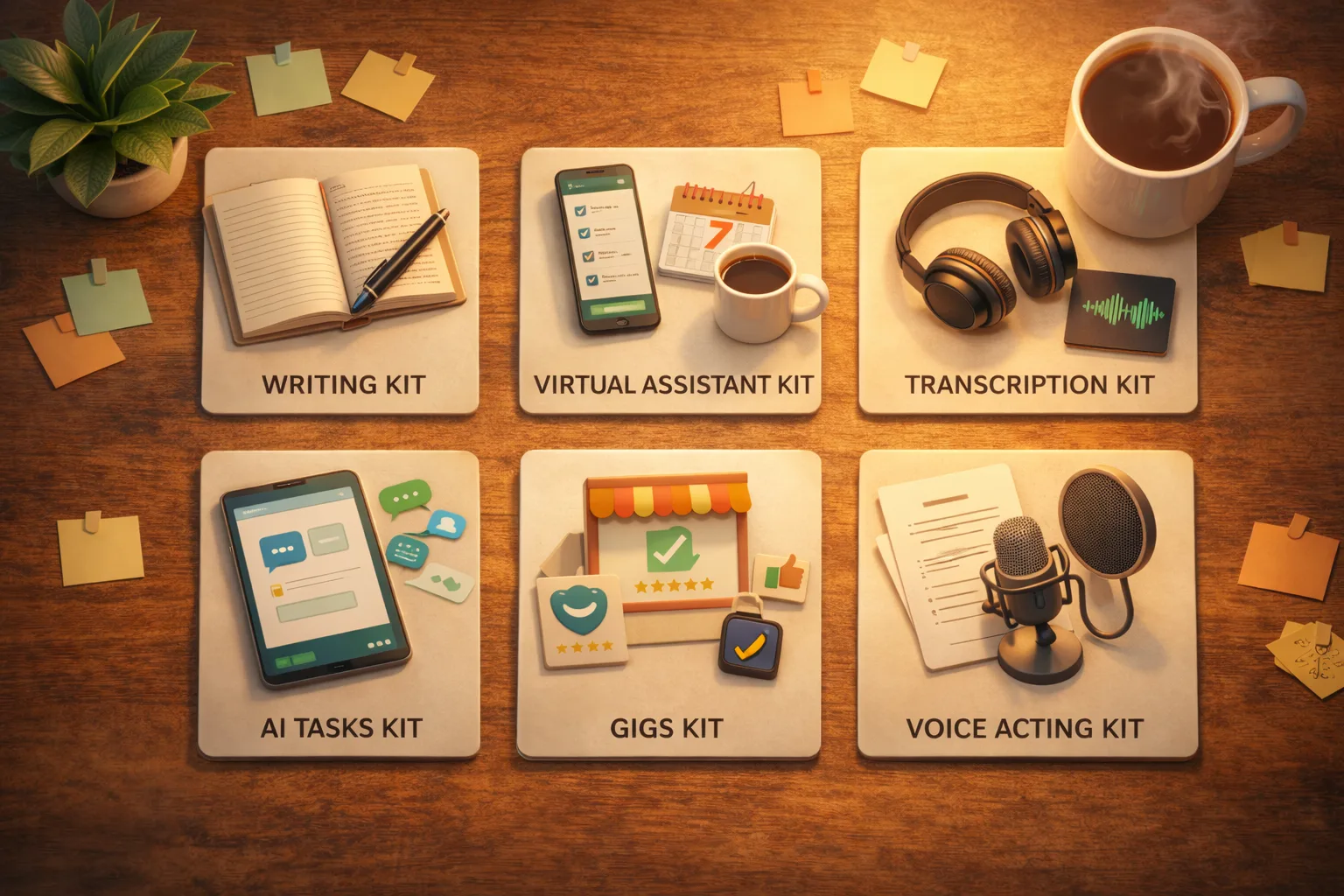
Freelance Jobs for ADHD: 6 Paths That Actually Fit How Your Brain Works
Most freelance advice ignores ADHD. 6 freelance paths that fit fluctuating energy, plus the ones to skip, with honest tradeoffs and how to start this week.

What Is Ring of Fire ADHD? Symptoms, Traits, and What Helps
Ring of Fire ADHD is a descriptive term for an ADHD pattern that feels like overstimulation, emotional intensity, and racing thoughts. Here is what helps.
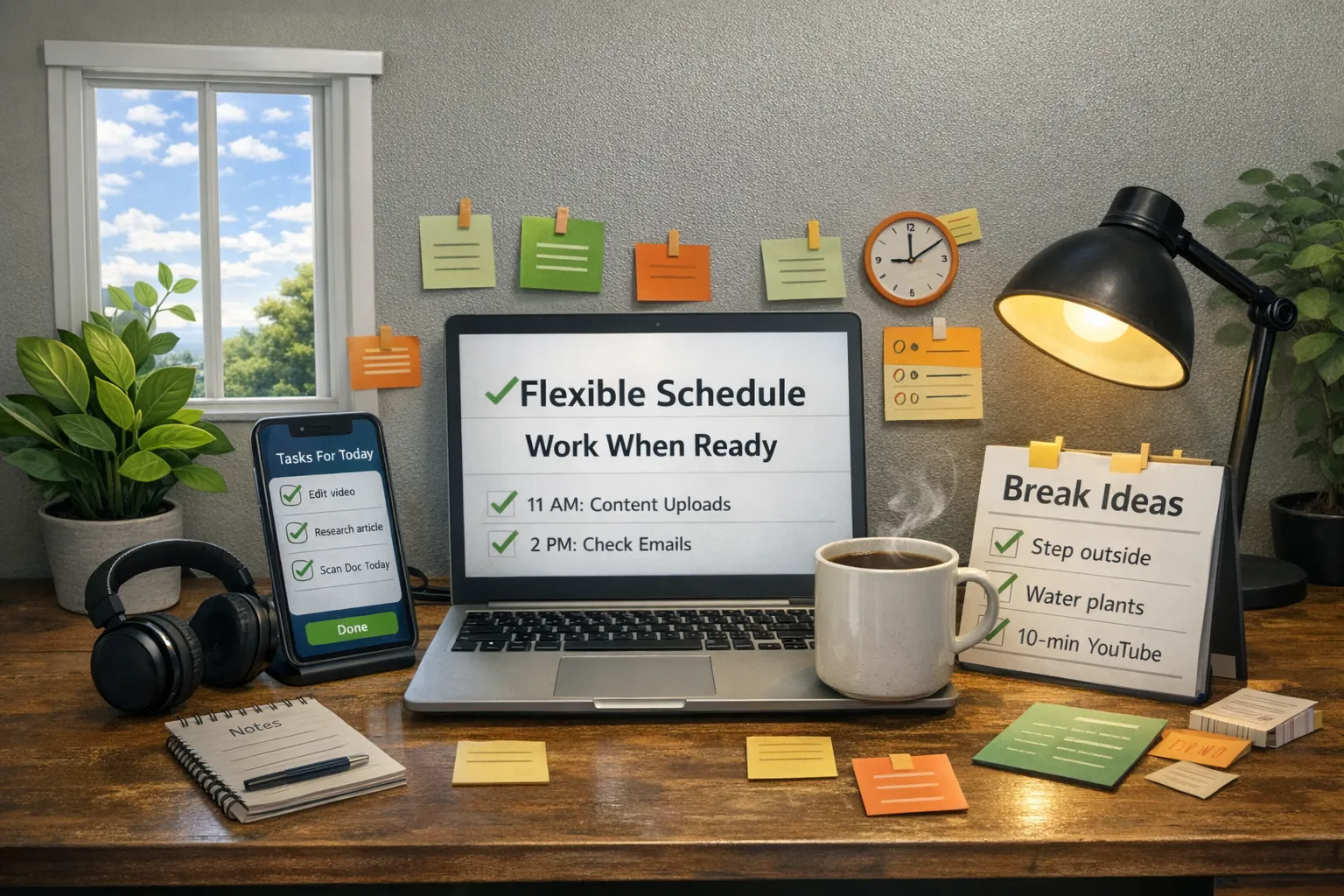
How to Work From Home With ADHD (Without Burning Out)
To work from home with ADHD without burning out, build around energy, reduce decisions, and choose work that is flexible by design.