
What Is Ring of Fire ADHD? Symptoms, Traits, and What Helps
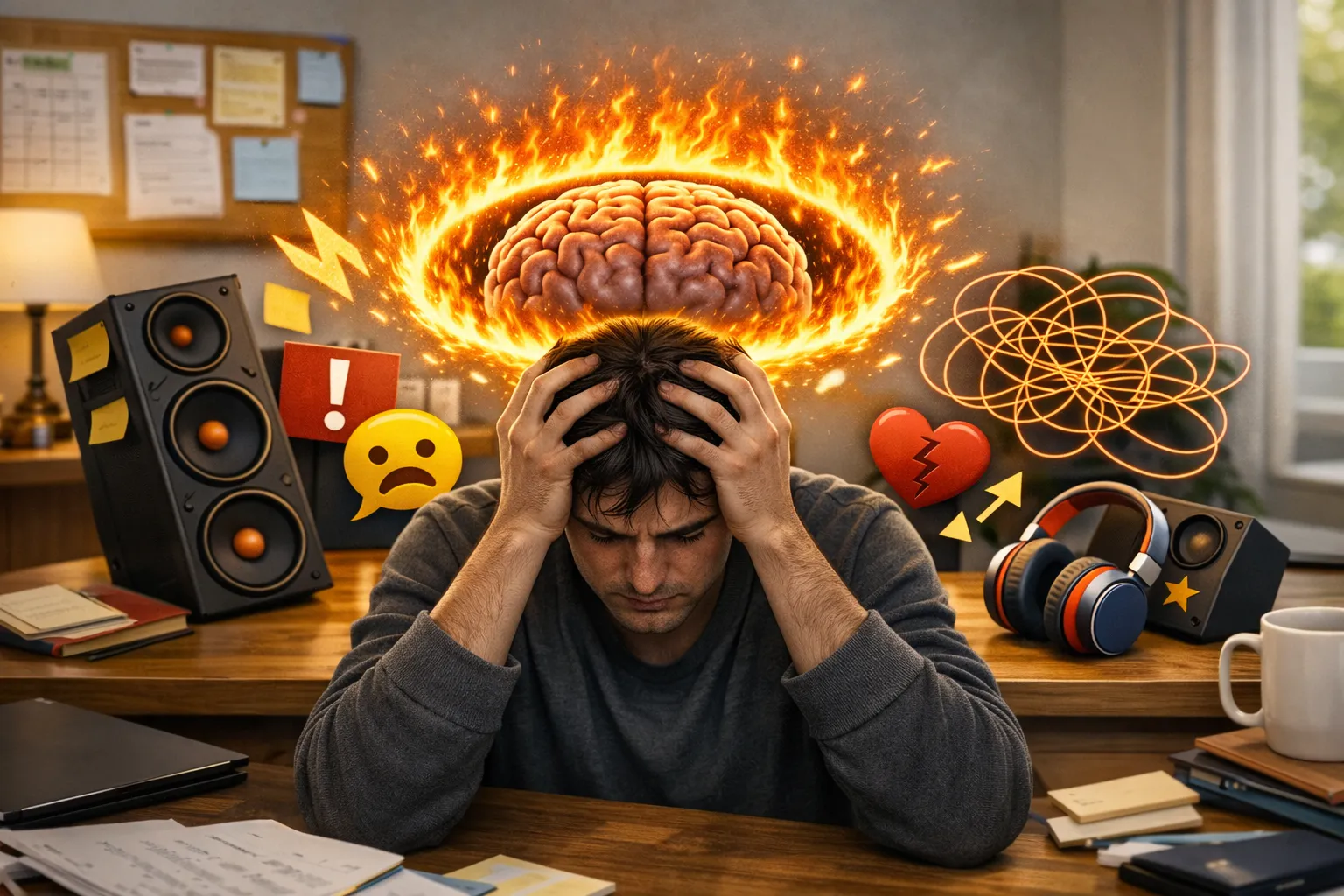
TL;DR: Ring of Fire ADHD is a descriptive term (not an official diagnosis) for an ADHD pattern that feels like overstimulation + emotional intensity + racing thoughts. The most helpful approach is usually lowering inputs, using low-pressure starts, and building supports that reduce friction, not add pressure.
What is Ring of Fire ADHD?
Ring of Fire ADHD is a term some people use to describe an intense ADHD pattern where your brain feels overstimulated, emotionally reactive, and hard to calm down.
Instead of feeling bored or under-stimulated, it can feel like the opposite: everything is too loud, mentally and emotionally.
Big idea:If “just be disciplined” advice makes you worse, it is often because your nervous system is already running hot.
Is Ring of Fire ADHD an official diagnosis?
No. Ring of Fire ADHD is not an official DSM diagnosis. It is a descriptive label used by some clinicians and communities to explain a pattern of symptoms.
Some people find the label validating. Others find it confusing. Both reactions make sense. What matters is whether the description helps you choose better supports and reduce shame.
If you have severe mood swings, panic, trauma triggers, sleep collapse, or feel unsafe, it is worth talking with a clinician. Several conditions can overlap and look similar.
Common Ring of Fire ADHD symptoms
People search “ring of fire ADHD symptoms” because their experience feels intense and hard to explain. Here are common themes many people describe:
- Sensory sensitivity (noise, light, textures, crowds)
- Racing thoughts or mental looping that is hard to shut off
- Emotional intensity that spikes quickly
- Irritability and feeling set off by small disruptions
- Overwhelm that can look like shutdown, snapping, or avoidance
- Stress sensitivity where pressure makes symptoms worse, not better
From the outside, it can look like anxiety. From the inside, it often feels like your brain is working too hard and still losing the thread.
What Ring of Fire ADHD feels like in real life
Here is the part people do not always say out loud: it can feel like you are doing life with no emotional shock absorbers.
A normal day can become too much fast. One unexpected sound, one extra request, one change in plan, and suddenly your nervous system is doing a full-body “nope.”
You are not “too much.” You are often overstimulated, under-supported, and trying to run your day on a nervous system that never gets a real break. If typical work-from-home advice has failed you, here's why most WFH advice doesn't work for ADHD.
How can someone be hyper-aware but still inattentive?
This is one of the biggest confusion points.
Inattention does not always mean “not noticing.” Sometimes it means noticing too much at once.
When your brain is tracking every sound, every vibe shift, every detail, it can struggle to stay anchored to one task or conversation. From the outside, that looks like distraction. From the inside, it feels like overload.
Think of it like having 27 browser tabs open and all of them are playing audio. You are not “unfocused,” you are overloaded.
Ring of Fire ADHD treatment and what actually helps
People also search “ring of fire ADHD treatment” because they want something that works in real life. Here is the shift that helps most: this pattern usually responds better to regulation than pressure.
1) Lower stimulation before adding structure
If your brain runs hot, adding more tools and rules can backfire. Start by lowering inputs: fewer notifications, fewer open tabs, fewer decisions. If you're looking for tools that actually reduce friction, check out our guide to the best ADHD apps for adults.
2) Use low-pressure starts
Instead of “finish the whole thing,” try: open the document, title it, and write one sentence. You are building a start signal your brain can tolerate. The 10-3 rule for ADHD is a great example of this approach in action.
3) Build a calmer environment on purpose
- Headphones or white noise
- Comfortable clothing with low sensory irritation
- Softer lighting
- A one-task workspace when possible
4) Treat shame like a symptom
Shame spikes the nervous system. If your internal voice is harsh, your brain stays on alert. Swap “What is wrong with me?” for “What is my nervous system asking for?”
Shortcut:Fewer inputs, softer starts, and supports that reduce friction. Your brain does not need more pressure. It needs a better environment. If you're working from home, read our guide on how to work from home with ADHD without burning out.
FAQ
Is Ring of Fire ADHD real?
It is real as a lived experience pattern, even though it is not an official diagnosis. If the description fits, it can be a useful framework for choosing supports.
What are the biggest Ring of Fire ADHD symptoms?
Many people describe sensory overload, racing thoughts, emotional intensity, irritability, and a hard time calming down after stress.
Is Ring of Fire ADHD the same as anxiety or bipolar disorder?
Not always. They can overlap and look similar. If symptoms feel severe, unsafe, or disruptive, a clinician can help sort out what is driving them.
What helps the most?
Lowering stimulation, using low-pressure starts, protecting sleep, and building supports that reduce friction. Many people improve when they prioritize regulation over productivity pressure.
If this article made you feel seen...
That's exactly why 925 ADHD exists.
70+ vetted ways to earn online, tagged by energy level, effort, and payout speed. Built for brains like yours.
Small systems. Low friction. Built for real life.
30-Day Money-Back Guarantee
Not a job placement service. No income guarantees.
Free Guide
See 5 examples of what's inside.
Get 5 ADHD-friendly side hustles from the full list — free, instant access. No spam.
Continue Reading
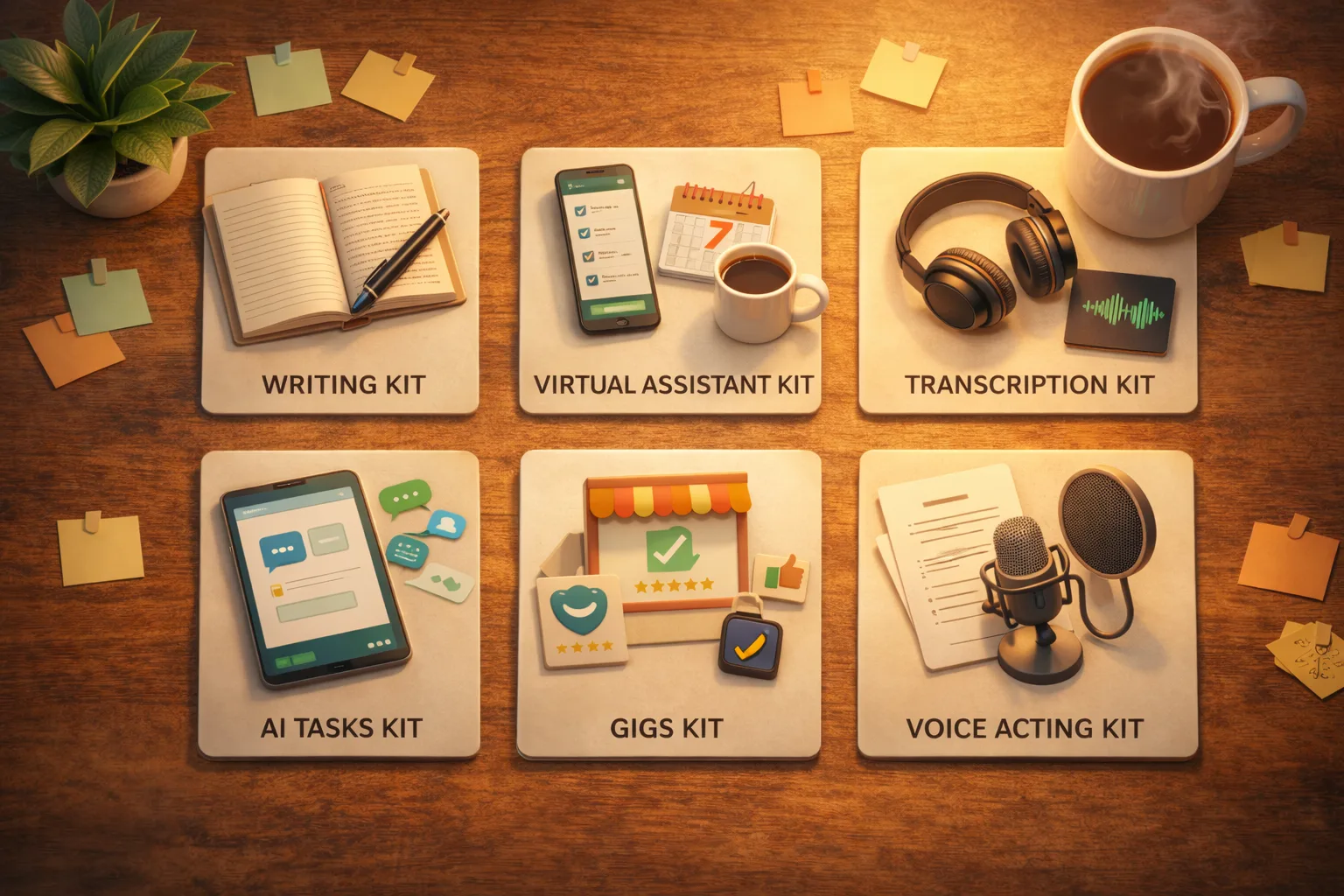
Freelance Jobs for ADHD: 6 Paths That Actually Fit How Your Brain Works
Most freelance advice ignores ADHD. 6 freelance paths that fit fluctuating energy, plus the ones to skip, with honest tradeoffs and how to start this week.
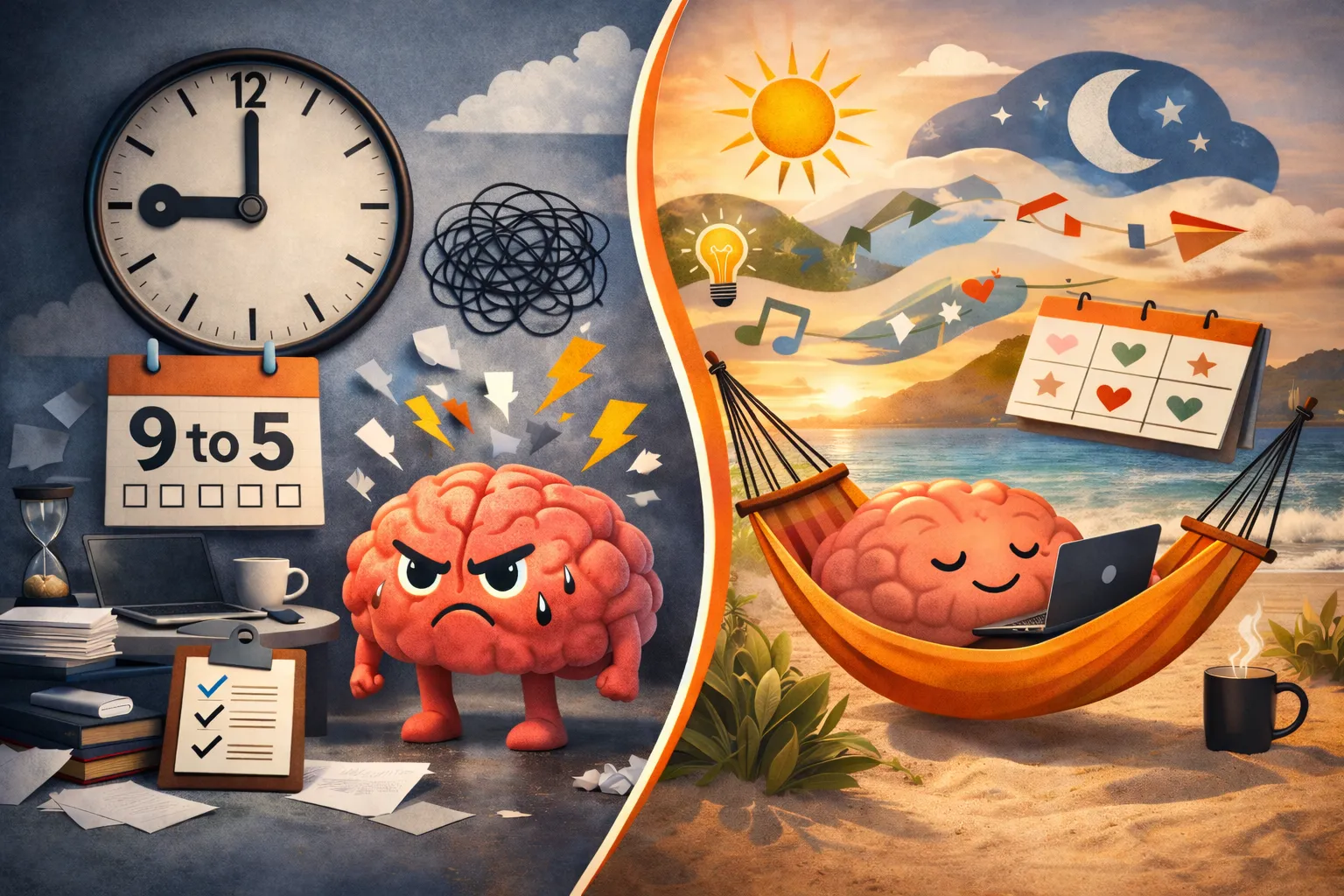
Can't Work a 9 to 5 With ADHD? You're Not Broken (Here's Why)
If you've searched "can't work a 9 to 5 with ADHD," you're not lazy. Many ADHD brains struggle with rigid schedules. You need a better fit, not more discipline.
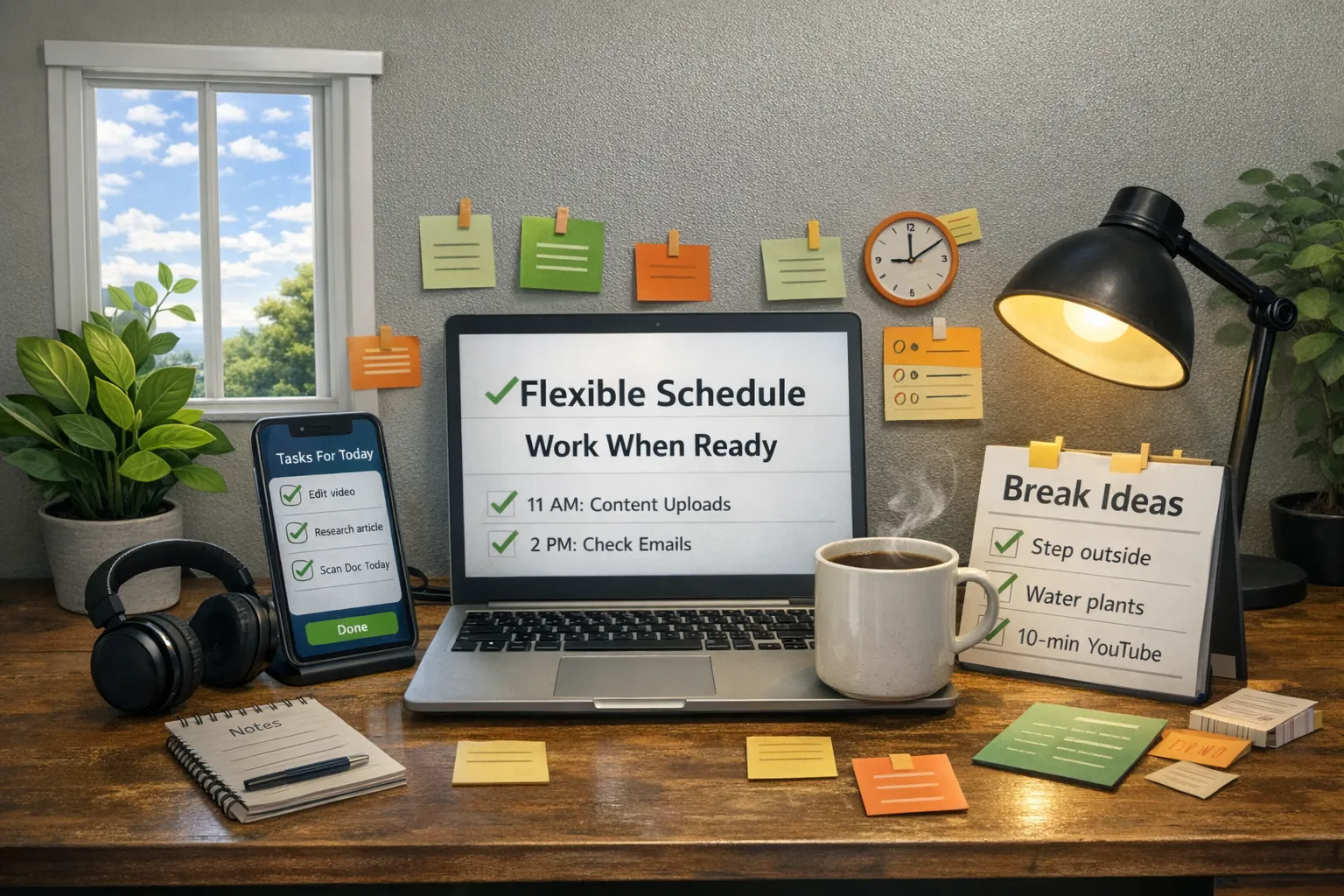
How to Work From Home With ADHD (Without Burning Out)
To work from home with ADHD without burning out, build around energy, reduce decisions, and choose work that is flexible by design.